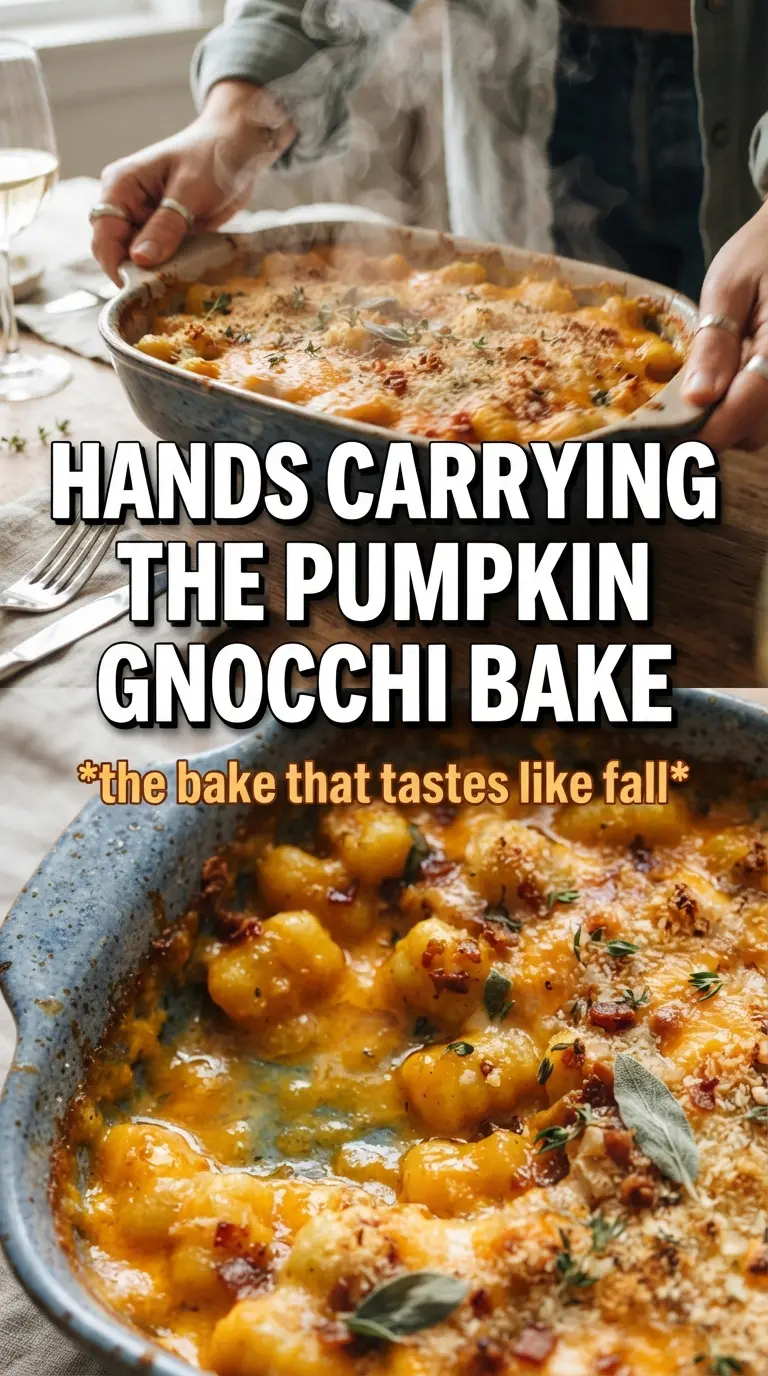
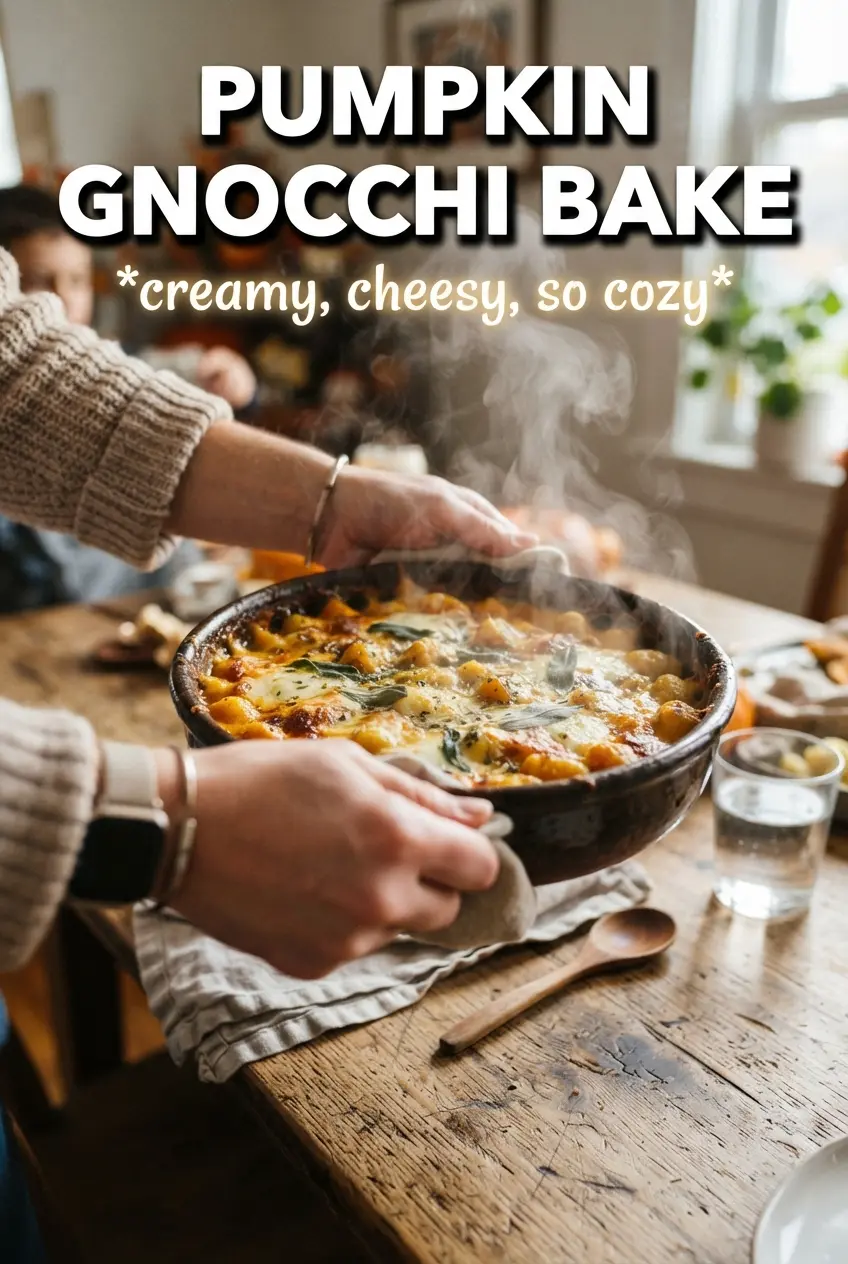
Pillowy gnocchi, browned Italian sausage, and a creamy pumpkin-sage sauce come together under a blanket of melted mozzarella that bakes into a golden, bubbling crust. The gnocchi cook right in the sauce, so they stay tender instead of turning waterlogged, and every bite gets that mix of savory sausage, sweet pumpkin, and a little nutmeg in the background. It’s the kind of bake that lands on the table looking like you worked harder than you did.
What makes this version work is the balance in the sauce. Pumpkin puree brings body, but it needs cream and broth to loosen into something that coats the gnocchi instead of turning pasty. Fresh sage matters here because it gives the dish that unmistakable cozy, earthy edge; dried sage will work in a pinch, but it won’t taste as vivid. Browning the sausage first also matters, because those browned bits carry a lot of the savory flavor that keeps the pumpkin from tasting flat.
Below, I’ll walk through the part that matters most: keeping the sauce silky and getting the gnocchi cooked through without drying out the top. I’ve also included a few smart swaps and storage notes for the leftovers, because this bake reheats better than most creamy pasta dishes.
The sauce turned out silky instead of heavy, and the gnocchi baked up tender all the way through. I added a little extra sage on top and my husband went back for seconds before I even sat down.
Love this pumpkin gnocchi bake? Save it to Pinterest for the nights when you want creamy comfort, crisp cheese, and one skillet of savory, cozy flavor.
The Trick to Keeping Gnocchi Tender Instead of Mushy
The biggest mistake with baked gnocchi is treating it like pasta. Gnocchi don’t need a lot of liquid, and they don’t need to boil first for this dish. They cook directly in the sauce, which keeps them from soaking up too much water and falling apart in the oven.
The sauce should look loose when it goes into the baking dish. It thickens as it bakes and as the gnocchi release starch, so if it seems a little thinner than you expect, that’s a good sign. If it looks like thick mashed squash before it goes in the oven, it will bake up dense instead of creamy.
- Uncooked potato gnocchi — Use shelf-stable or refrigerated gnocchi right from the package. They hold their shape best in the oven and absorb just enough sauce while staying tender.
- Pumpkin puree — Use pure pumpkin, not pumpkin pie filling. Pie filling is sweetened and spiced, which throws off the savory balance and makes the bake taste muddled.
- Heavy cream — This gives the sauce its silky texture. Half-and-half will work, but the sauce will be lighter and a little less rich.
- Italian sausage — This is the main savory anchor. Mild or hot both work; hot sausage gives the dish more bite, while mild keeps the pumpkin and sage front and center.
- Fresh sage — Fresh sage perfumes the whole pan while the bake cooks. Dried sage can work, but use less, because it concentrates quickly and can turn dusty if you overdo it.
- Mozzarella and parmesan — Mozzarella gives you the melt, parmesan gives you the salty top note. Using both is what keeps the topping from tasting flat.
What Each Ingredient Is Actually Doing in This Recipe
- Primary ingredient (the star) — Quality matters most. Choose the best you can find.
- Cooking medium (oil, butter, or broth) — This carries flavors and prevents dryness.
- Seasonings (salt, pepper, spices, herbs) — Layer flavors so nothing overpowers. Build depth gradually.
- Aromatics (garlic, onion, herbs) — Cook with fat to bloom flavors. Become the foundation.
- Supporting ingredients — Complement the main ingredient without overpowering it.
- Sauce or liquid (if applicable) — Brings flavors together. Balance richness with acid.
- Acid (lemon, vinegar, wine, or other) — Brightens and prevents flat-tasting results.
- Final finish (garnish, glaze, or sauce) — Prevents one-dimensional taste and adds visual appeal.
Building the Sauce Before the Oven Takes Over
Brown the sausage first
Cook the sausage in a large skillet until it loses its raw color and picks up browned edges. Those browned bits on the pan are part of the flavor, so drain off excess fat but don’t rinse the skillet. If the sausage is pale and soft, the whole dish tastes flatter.
Wake up the garlic and sage
Melt the butter in the same skillet, then add the garlic and chopped sage for just a minute or two. You want the garlic fragrant, not browned, and the sage should smell warm and woodsy. If the garlic turns deep golden, pull the pan off the heat; burnt garlic will show up immediately in a sauce this simple.
Loosen the pumpkin into a baking sauce
Stir in the pumpkin, cream, broth, nutmeg, and red pepper flakes, then simmer briefly until the sauce looks smooth and glossy. It should coat a spoon but still slide off in a thick ribbon. Season it now, because once the cheese goes on top, it’s harder to fix an underseasoned sauce.
Bake until the center bubbles
Toss the uncooked gnocchi and sausage directly in the baking dish with the sauce, then cover the top with mozzarella and parmesan. Bake until the cheese is golden in spots and the sauce is bubbling around the edges. If the center still looks sluggish when you shake the pan, give it a few more minutes; the gnocchi need that full bake to go tender all the way through.
How to Adapt This for Different Tables and Leftovers
Make it dairy-free without losing the creaminess
Swap the heavy cream for full-fat coconut milk and use a dairy-free mozzarella that melts well. The sauce will be a little lighter and you’ll notice a faint coconut note, so keep the sage and parmesan-style topping assertive if you’re using a vegetarian substitute cheese.
Make it vegetarian with one smart swap
Leave out the sausage and add sautéed mushrooms or a can of drained white beans for more substance. The mushrooms give you savoriness and keep the dish earthy, while the beans make it a little heartier without changing the texture of the sauce.
Use butternut squash puree instead of pumpkin
Butternut squash gives a slightly sweeter, silkier sauce and works in the same amount. It changes the flavor just enough to feel rounder and a little softer, which is nice if you want the sage and sausage to stay in the lead.
Storage and Reheating
- Refrigerator: Store in an airtight container for up to 4 days. The gnocchi will absorb more sauce as it sits, so the bake gets a little thicker by day two.
- Freezer: This freezes fairly well, though the sauce may separate slightly after thawing. Freeze in portions once completely cool, then thaw overnight in the fridge before reheating.
- Reheating: Reheat covered in a 350F oven with a splash of broth or cream until hot in the center. The common mistake is blasting it in the microwave until the sauce breaks and the gnocchi toughen on the edges.
Answers to the Questions Worth Asking
Pumpkin Gnocchi Bake
Ingredients
Equipment
Method
- Preheat the oven to 400F and grease a 9x13 baking dish with a light coating of oil or butter so nothing sticks.
- Brown the Italian sausage in a large skillet until cooked through, then drain off excess fat and set the sausage aside.
- Melt the butter in the skillet and sauté the garlic and sage for 1-2 minutes until fragrant, making sure the garlic doesn’t brown.
- Add the pumpkin, heavy cream, chicken broth, nutmeg, and red pepper flakes and stir until fully combined.
- Simmer the sauce for 3-4 minutes, stirring occasionally, until slightly thickened and you can season with salt and pepper.
- Toss the uncooked gnocchi in the sauce directly in the greased baking dish until coated, then fold in the browned sausage.
- Scatter the mozzarella and parmesan evenly over the top so it bakes into a golden crust.
- Bake for 30-35 minutes at 400F until the gnocchi are cooked through, the sauce is bubbling around the edges, and the cheese is golden.